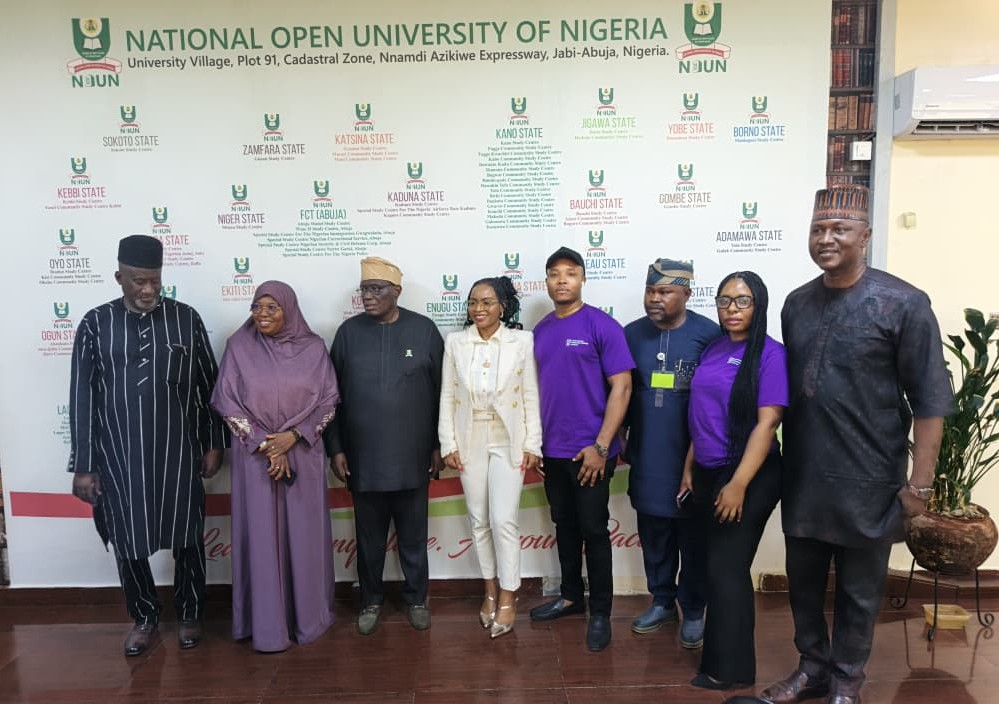
Strategic Partnership Between NOUN and TDRTI – Advancing Tropical Skincare Education

As global interest in skincare, cosmetology, and aesthetic science continues to expand, one
reality has become increasingly clear: skin health education must be context-specific. In
tropical regions, climate conditions, melanin-rich skin biology, cultural practices, and
environmental exposure significantly shape dermatological outcomes. Yet, much of the existing
skincare education globally has been developed for temperate environments, limiting its
relevance and effectiveness in tropical contexts.
It is within this reality that the National Open University of Nigeria (NOUN) and the Tropics
Derma Research & Training Institute (TDRTI) have entered into a strategic partnership to
deliver Certificate and Diploma programmes in Tropical Cosmetology and Skincare
Science. This collaboration marks an important step toward strengthening professional training,
research-driven practice, and workforce development for tropical skincare across Nigeria and
beyond.
The Need for Specialized Tropical Skincare Education
Skincare challenges in tropical environments differ significantly from those in temperate regions.
High humidity, prolonged heat exposure, intense UV radiation, environmental pollutants, and the
unique physiology of melanin-rich skin all influence skin barrier function, pigmentation response,
inflammation patterns, and treatment outcomes.

Despite these realities, many skincare and cosmetology programmes remain adaptations of
non-tropical frameworks. This gap has contributed to inconsistent results, increased risk of
post-inflammatory hyperpigmentation, misuse of cosmetic products and procedures, and the
persistence of unsafe skincare practices. Addressing these challenges requires education that
is intentionally designed for tropical skin realities—grounded in science, ethics, and local
context.

About the Partnership

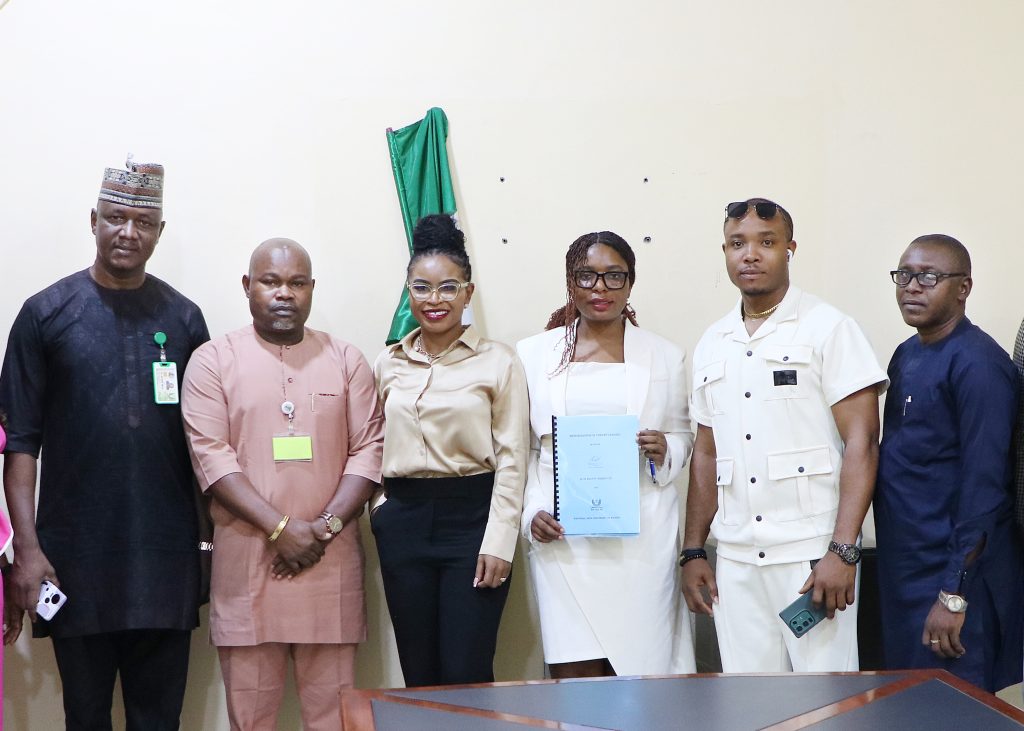
The NOUN–TDRTI partnership brings together academic infrastructure and research-driven
professional expertise to deliver structured, accessible, and credible training in tropical
skincare.
Through this collaboration, NOUN provides its established open and distance learning
framework, academic oversight, and certification systems, while TDRTI contributes its
specialized curriculum, research insights, and professional training models in tropical
dermatology, cosmetology, and skincare science. Together, both institutions aim to offer programmes that meet academic standards while remaining closely aligned with real-world
professional practice.

Programme Structure and Learning Approach
The Certificate and Diploma programmes in Tropical Cosmetology and Skincare Science are
delivered through a blended learning model that combines digital instruction with practical
competency development. Learners engage with structured online modules, research-informed
coursework, guided assessments, and supervised evaluations designed to reinforce both
theoretical understanding and applied skills.
This approach ensures accessibility for a wide range of learners while maintaining academic
rigor, professional relevance, and alignment with global best practices adapted for local realities.
Practical Training, Research, and Innovation
A key strength of the partnership is its emphasis on hands-on skills development. Beyond
theoretical learning, students are exposed to applied training through dedicated practical
learning environments established within NOUN facilities. These spaces support supervised
instruction, clinical demonstrations, ethical practice, and safety-focused training.
In addition, TDRTI integrates research-informed insights into the learning experience, providing
exposure to modern skin analysis approaches and ongoing developments in tropical
dermatological research. This ensures that learners are trained within a system that values
evidence, critical thinking, and continuous professional growth.
Workforce Development and Public Health Impact
At its core, the NOUN–TDRTI collaboration is about capacity building. By equipping skincare
professionals with context-specific knowledge and ethical standards, the partnership contributes
to improved service quality, reduced harm from unsafe practices, stronger professional
accountability, and long-term public health benefits linked to skin health.
As skin health increasingly intersects with wellbeing, confidence, and quality of life,
strengthening education at this level supports sustainable impact across communities and
professional ecosystems.
Looking Ahead
The partnership between NOUN and TDRTI sets a new benchmark for skincare education in
tropical regions—one that prioritizes science over trends, context over generalization, and
long-term impact over short-term results.

Facebook
Twitter
LinkedIn

As global interest in skincare, cosmetology, and aesthetic science continues to expand, one
reality has become increasingly clear: skin health education must be context-specific. In
tropical regions, climate conditions, melanin-rich skin biology, cultural practices, and
environmental exposure significantly shape dermatological outcomes. Yet, much of the existing
skincare education globally has been developed for temperate environments, limiting its
relevance and effectiveness in tropical contexts.
It is within this reality that the National Open University of Nigeria (NOUN) and the Tropics
Derma Research & Training Institute (TDRTI) have entered into a strategic partnership to
deliver Certificate and Diploma programmes in Tropical Cosmetology and Skincare
Science. This collaboration marks an important step toward strengthening professional training,
research-driven practice, and workforce development for tropical skincare across Nigeria and
beyond.
The Need for Specialized Tropical Skincare Education
Skincare challenges in tropical environments differ significantly from those in temperate regions.
High humidity, prolonged heat exposure, intense UV radiation, environmental pollutants, and the
unique physiology of melanin-rich skin all influence skin barrier function, pigmentation response,
inflammation patterns, and treatment outcomes.

Despite these realities, many skincare and cosmetology programmes remain adaptations of
non-tropical frameworks. This gap has contributed to inconsistent results, increased risk of
post-inflammatory hyperpigmentation, misuse of cosmetic products and procedures, and the
persistence of unsafe skincare practices. Addressing these challenges requires education that
is intentionally designed for tropical skin realities—grounded in science, ethics, and local
context.

About the Partnership

The NOUN–TDRTI partnership brings together academic infrastructure and research-driven
professional expertise to deliver structured, accessible, and credible training in tropical
skincare.
Through this collaboration, NOUN provides its established open and distance learning
framework, academic oversight, and certification systems, while TDRTI contributes its
specialized curriculum, research insights, and professional training models in tropical
dermatology, cosmetology, and skincare science. Together, both institutions aim to offer programmes that meet academic standards while remaining closely aligned with real-world
professional practice.

Programme Structure and Learning Approach
The Certificate and Diploma programmes in Tropical Cosmetology and Skincare Science are
delivered through a blended learning model that combines digital instruction with practical
competency development. Learners engage with structured online modules, research-informed
coursework, guided assessments, and supervised evaluations designed to reinforce both
theoretical understanding and applied skills.
This approach ensures accessibility for a wide range of learners while maintaining academic
rigor, professional relevance, and alignment with global best practices adapted for local realities.
Practical Training, Research, and Innovation
A key strength of the partnership is its emphasis on hands-on skills development. Beyond
theoretical learning, students are exposed to applied training through dedicated practical
learning environments established within NOUN facilities. These spaces support supervised
instruction, clinical demonstrations, ethical practice, and safety-focused training.
In addition, TDRTI integrates research-informed insights into the learning experience, providing
exposure to modern skin analysis approaches and ongoing developments in tropical
dermatological research. This ensures that learners are trained within a system that values
evidence, critical thinking, and continuous professional growth.

Workforce Development and Public Health Impact
At its core, the NOUN–TDRTI collaboration is about capacity building. By equipping skincare
professionals with context-specific knowledge and ethical standards, the partnership contributes
to improved service quality, reduced harm from unsafe practices, stronger professional
accountability, and long-term public health benefits linked to skin health.
As skin health increasingly intersects with wellbeing, confidence, and quality of life,
strengthening education at this level supports sustainable impact across communities and
professional ecosystems.
Looking Ahead
The partnership between NOUN and TDRTI sets a new benchmark for skincare education in
tropical regions—one that prioritizes science over trends, context over generalization, and
long-term impact over short-term results.